Beneath Tampere, there is a facility that cannot stop – Enersense experts keep the central treatment plant running
Enersense International Plc | Press Release | April 09, 2026 at 08:10:00 EEST
The central wastewater treatment plant built in Sulkavuori, Tampere, is the largest environmental investment in the history of the Tampere region. The new plant is highly automated and modern, but it does not run by itself. The work of a maintenance technician combines technical expertise, precise routines, safety, and a strong sense of purpose.
Enersense is responsible for the maintenance of Tampere’s new central treatment plant, where wastewater from six municipalities in the Pirkanmaa region – Kangasala, Lempäälä, Pirkkala, Tampere, Vesilahti and Ylöjärvi – is treated. Although Enersense has extensive experience in demanding industrial environments, Sulkavuori represents a new kind of operating environment for its maintenance personnel.
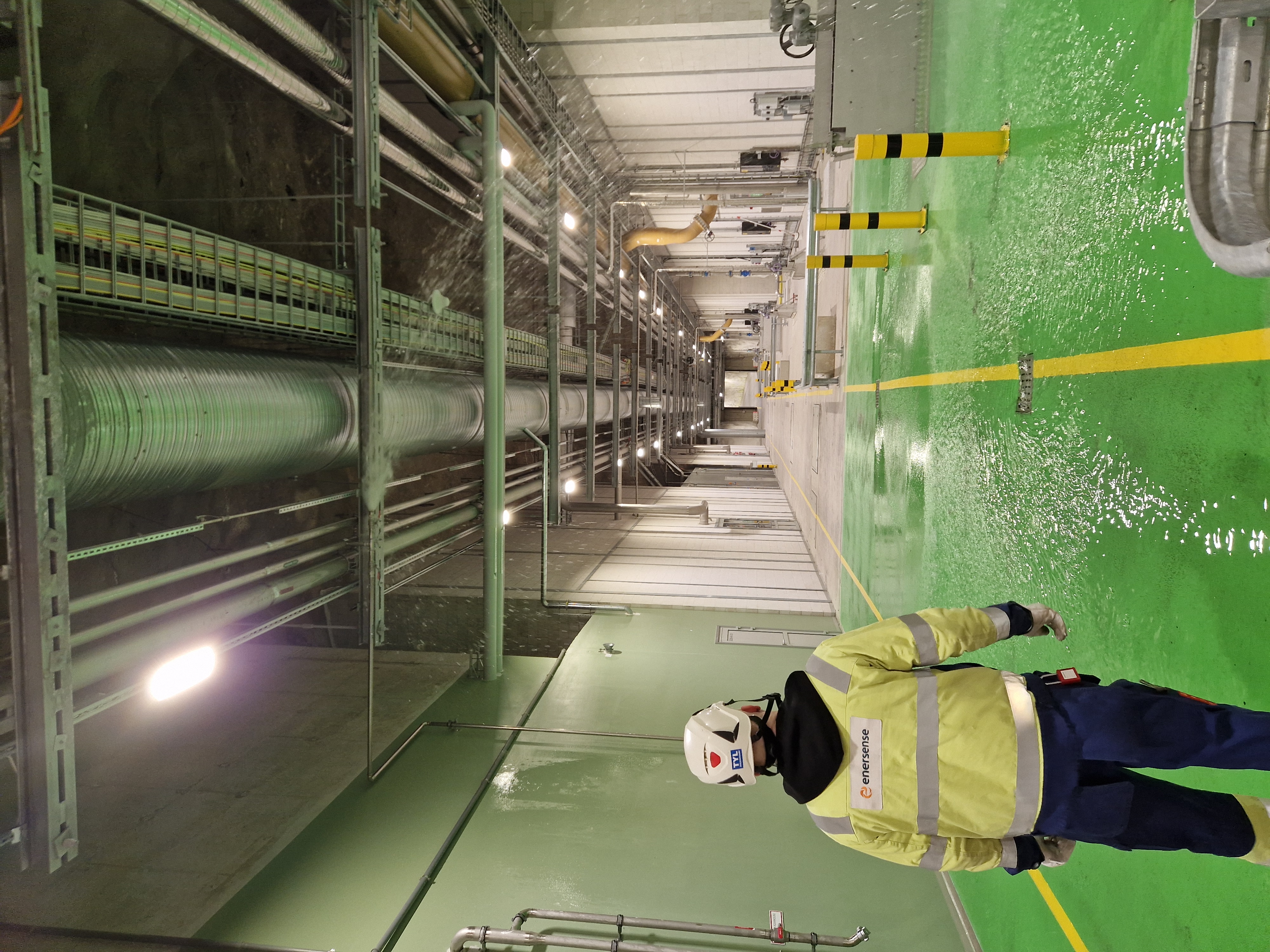
The modern facility differs clearly from many older factory settings. Sulkavuori is new, clean and highly automated. Automation, however, does not remove the need for expertise. Enersense aims to bring an industrial maintenance culture to the site, with a strong focus on anticipation and prevention.
“Working as a maintenance technician at a wastewater treatment plant requires a broad skill set. During the same working day, you may need mechanical maintenance expertise, welding skills, an understanding of electrical systems and automation, and gas safety knowledge. The maintenance system is also essential: every job is recorded in the system so that it can later be checked what was done, when a piece of equipment was serviced, and what caused a fault. When information does not depend on one person’s memory, operations can be developed in a more proactive way,” says maintenance engineer Niko Lahdenpää.
A work is planned one week at a time.
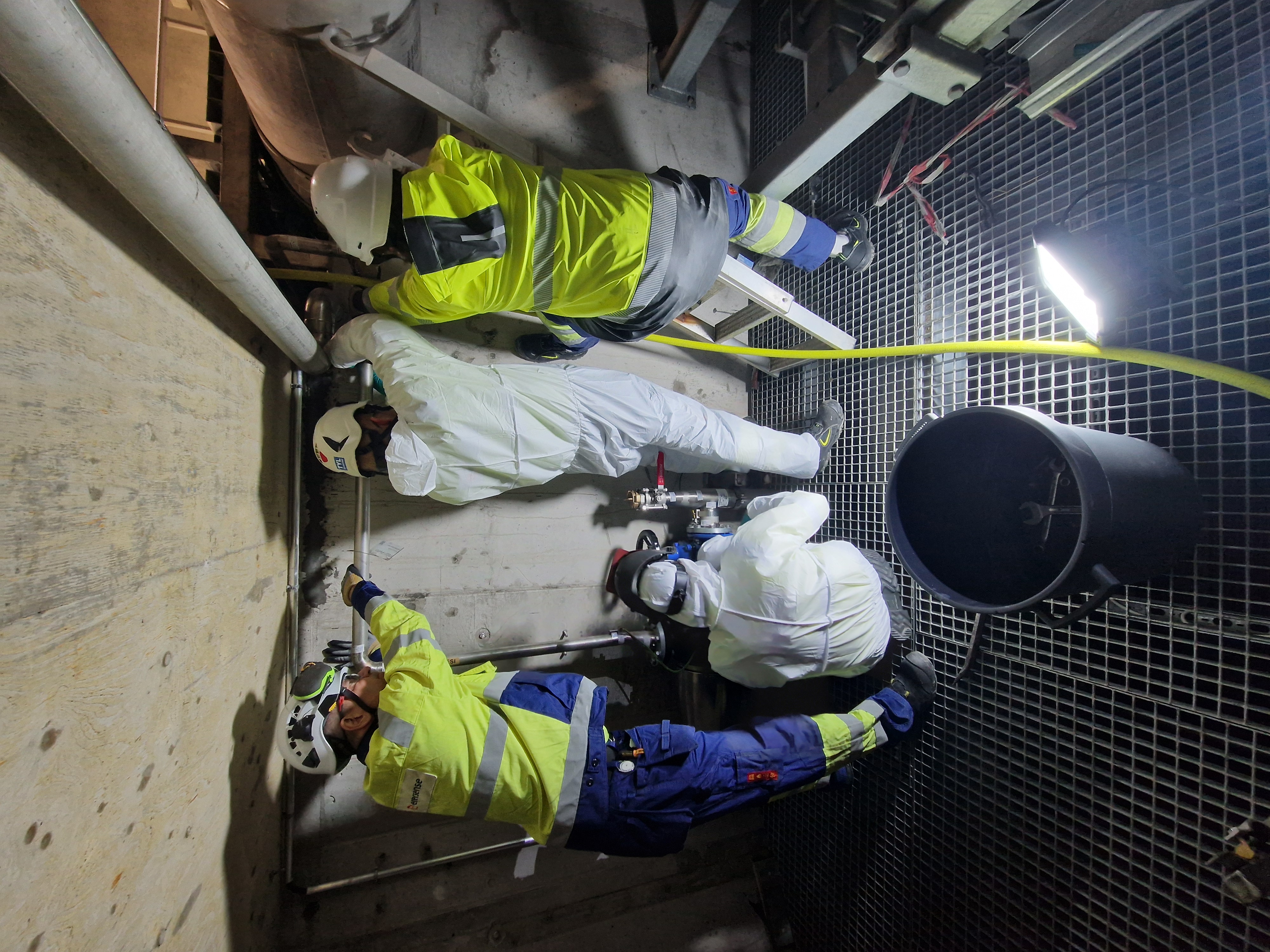
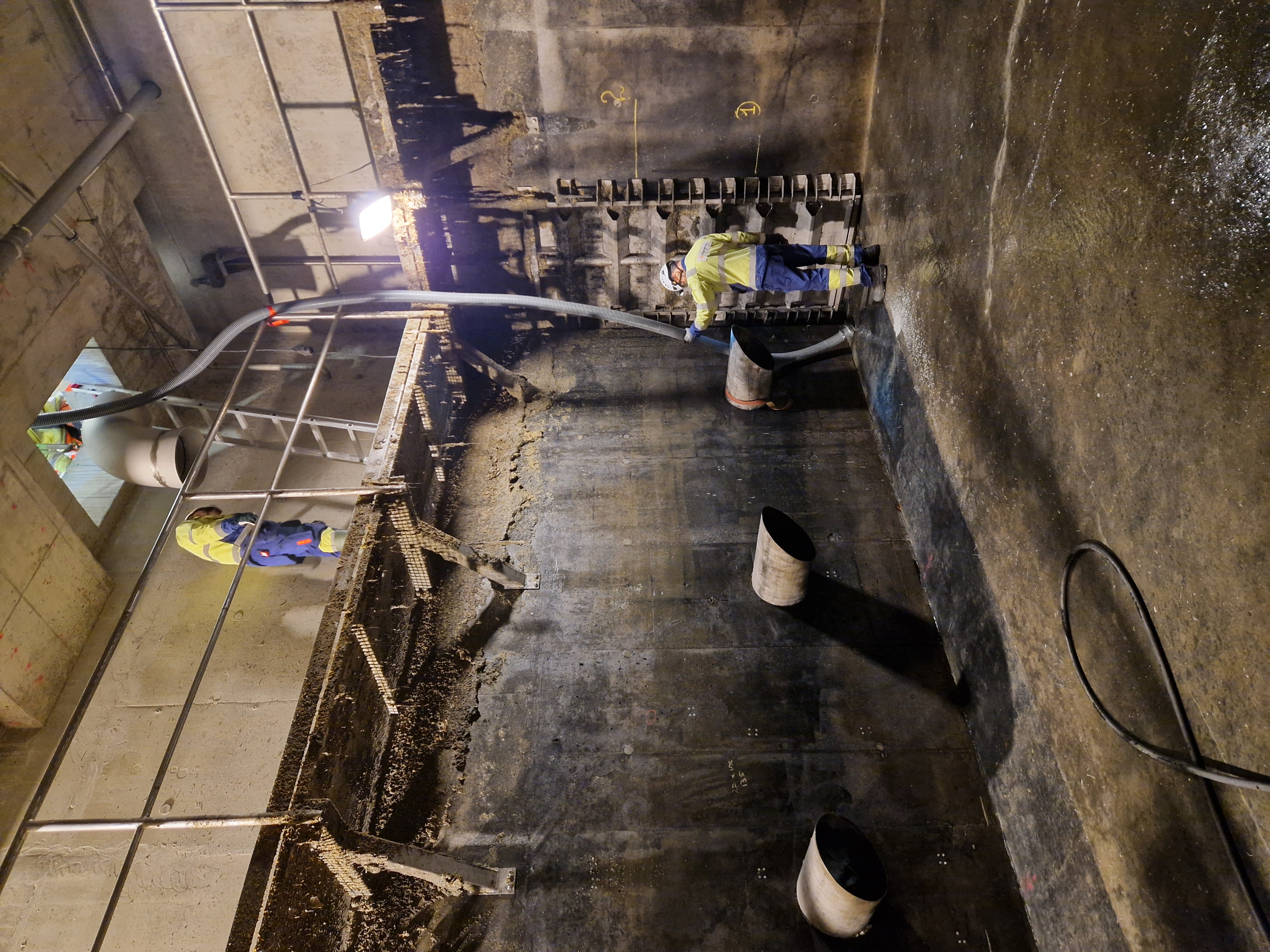
“For example, this week we have been cleaning inlet pumps. Next week, we will install new valves in the compressed air system and add support structures to the pipework in the sludge building. Today, the day continues with the monthly testing of the fire alarm control panels. The work includes planned maintenance, modification work and unexpected fault repairs.”
Maintenance technicians wear tall rubber boots, carry gas detectors and need full vaccinations
A technician’s working day at a wastewater treatment plant is not for the faint-hearted. Lahdenpää points out that a modern wastewater treatment plant is a clean and comfortable place to work. Even so, the conditions are physically demanding, and gases and odours can at times be strong. When pumps are opened and equipment is serviced, workers come into direct contact with wastewater, which is why hygiene and protective measures require exceptional attention.
In addition to workwear, their equipment includes rubber boots, masks, visors and long rubber gloves with cut and puncture protection. Vaccinations must also be up to date. Wastewater can contain almost anything – including used drug needles, which not only pose a risk to employees but can also disrupt the operation of the plant.
Safety is the foundation of everything. Hot work, confined space work and tasks carried out in potentially explosive areas always require permits. Employees always carry gas detectors with them. Lahdenpää stresses that although this is a technically demanding environment, the workplace is safe from the employee’s perspective when every stage is carried out carefully and in line with agreed procedures.
The importance of the work is especially visible in the inlet pumping stations, which are critical to the plant’s operation. If wastewater continues to flow in but the pumps stop working, the situation can quickly become serious for the surrounding waterways.
“With our work, we help ensure that waterways stay clean, and that makes the job meaningful,” says Lahdenpää.
At the moment, the plant has been handed over by the contractors. The process is still being fine-tuned in cooperation with the treatment plant’s own personnel.
“In newly commissioned plants, there are always unexpected variables. Not all equipment works exactly as planned. Unplanned repairs are needed, and settings are refined. We respond to unexpected situations immediately. We are in a customer service profession.”